
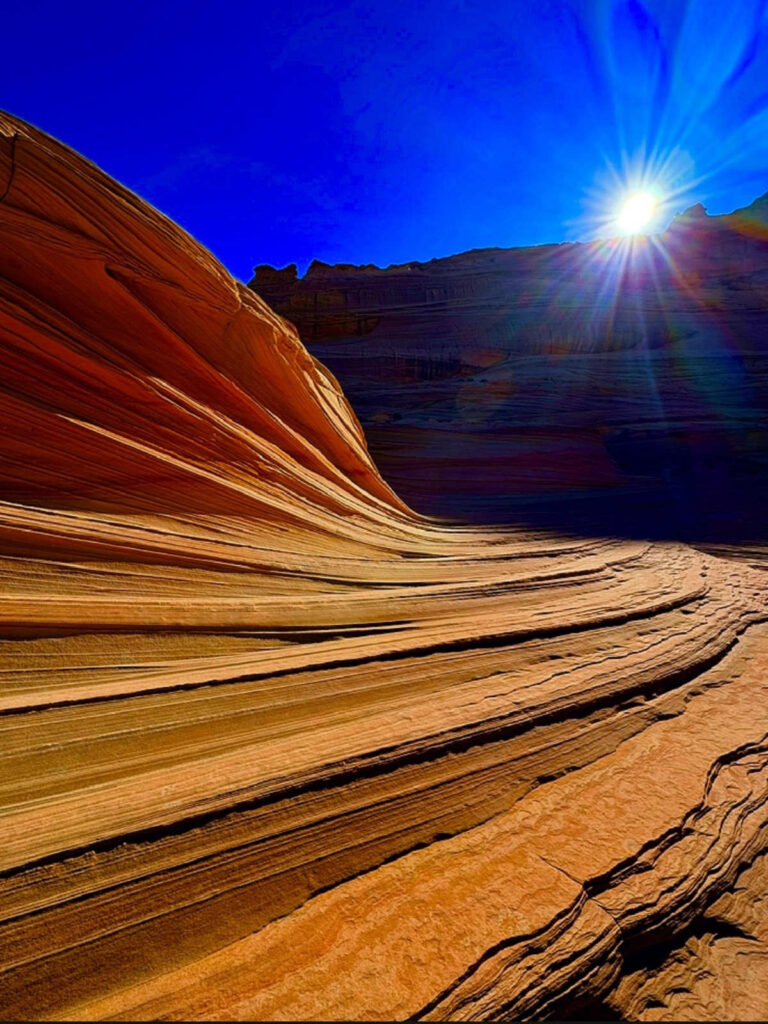
Hiking the Wave, on the Arizona Utah Border (Coyote Buttes) is one of the most spectacular bucket list hikes in Arizona. Let us help you with tips and tricks on the lottery permit, best time of year to hike, location stays/dining and how to navigate the Wave and tips on hiring a Tour Guide.
This post may contain affiliate links which means I may receive commissions if you choose to purchase through this link (at no extra cost to you).
Only 64 people per day are allowed to visit The Wave, making it one of the most exclusive bucket-list hiking destinations in the United States.
While beautiful any time of year, if you are planning for a visit during colder months (we went in January!) you’re in for a unique experience with cooler temperatures, fewer crowds and dramatic winter light that makes the colors pop even more brilliantly than in summer.
This guide will walk you through everything you need to know to score a permit, tips to plan how to navigate the trail and make the most of your once-in-a-lifetime visit to The Wave in winter.
Where is the Wave Located
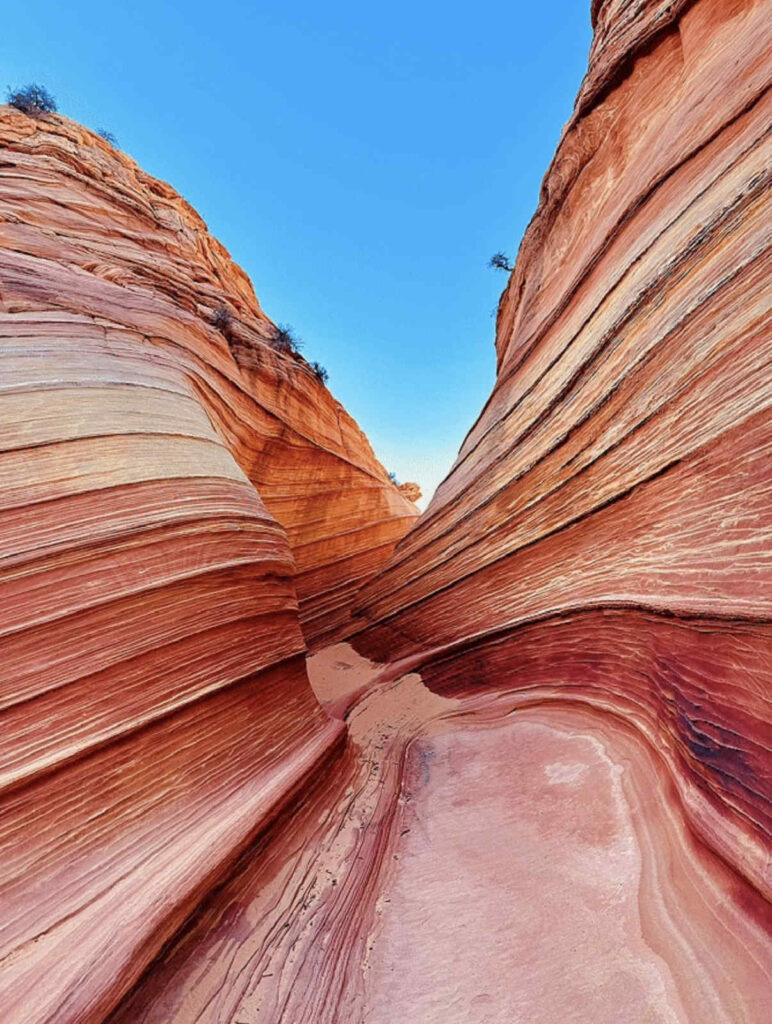
The Wave is located in the Coyote Buttes North area of the Paria Canyon-Vermilion Cliffs Wilderness, which straddles the Arizona-Utah border. As one of the most photographed geological wonders in the American Southwest, the surreal sandstone formation features breathtaking patterns of orange, red, and pink striped rock that look almost too perfect to be natural. The flowing lines were carved over millions of years by wind and water, creating what looks like a frozen ocean of stone.
Getting to the Trailhead from Arizona or Utah
The nearest towns with services are Kanab, Utah (approximately 45 minutes away) and Page, Arizona (about an hour away). There are hotels and dining in both Arizona and Utah. While we are from Arizona and Page, AZ would have been our closest stop, we stayed in Kanab Utah. There were a number of cute hotels and dining options and our tour guide was based there which made it easier to coordinate the hike and start times. They picked us up from our hotel which made it much easier for the adventure.
Geographic Context
The Wave sits within a vast landscape of public lands managed by the Bureau of Land Management. This area is part of the Colorado Plateau, known for its dramatic sandstone formations, deep canyons, and vivid colors. You’re hiking in true backcountry desert terrain at an elevation of around 5,000 feet, where the landscape is characterized by slick rock, sand dunes, and spare vegetation.
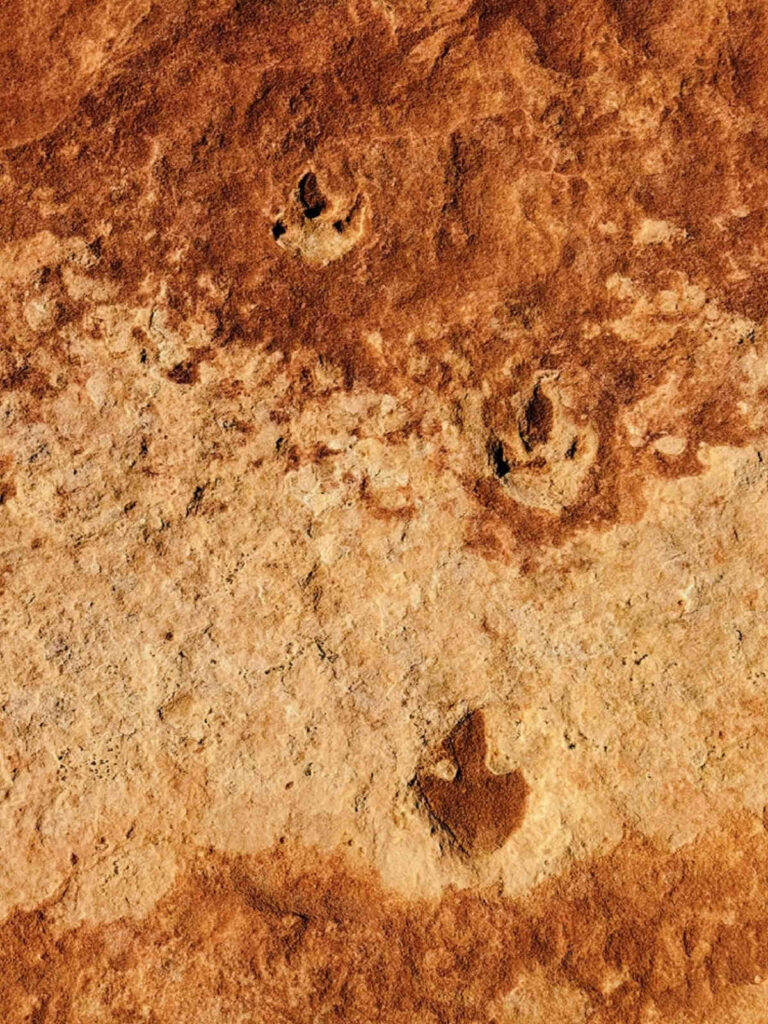
The formations you’ll see here are part of the Navajo Sandstone layer, deposited as sand dunes during the Jurassic period, roughly 180 million years ago. You can literally find little dinosaur prints! [check it out below] The distinctive wave patterns were created by groundwater movement and calcite precipitation along bedding planes, followed by differential erosion that revealed the flowing lines we see today.
The Wave Permit and the Lottery
Applying for a permit
The Bureau of Land Management issues only 64 permits per day for The Wave, split between two lottery systems. These permits are for groups (not individuals), with a maximum of 6 people per permit. There are two ways to obtain a permit:
- Online Lottery (48 permits daily): Applications open four months in advance on the first day of each month at 12:00 PM Mountain Time. For example, apply in September for a January hike. The application window runs for the entire month, closing on the last day at 12:00 PM Mountain Time. Winners are selected and notified by email in early October. Visit Recreation.gov and search for “The Wave Coyote Buttes North.” The application fee (as of 2026) is $9 non-refundable, plus an additional $9 per person if you win.
- In-Person Walk-Up Lottery (16 permits daily): Held every day at 8:30-9:00 AM at the Grand Staircase-Escalante National Monument Visitor Center in Kanab, Utah (745 E Highway 89). This lottery awards permits for the following day only. You must be physically present to enter, and all group members must attend. Arrive at least 30-45 minutes early to sign up. Winners are announced immediately after the drawing, and you’ll pay $9 per person on the spot.
Strategic Tips for Winning
- Apply for Colder Months: The colder months (such as January, when we went) offer some of the best odds for securing a permit. We think this is the best kept secret because it can offer the most beautiful hiking conditions! As long as you don’t have bad luck with weather (ex: a bad snow storm), while the hike starts out cold (layered clothing is a must), the peak of your hike can be the PERFECT temperature.
- Apply for Weekdays and Multiple Dates: Apply for multiple dates if flexible. Mid-week dates (Tuesday-Thursday) have better odds than weekends. Have just one person apply for your entire group. Apply early in the window to ensure you don’t forget.
- Try the Walk Up Lottery: Stay in Kanab so you can easily attend the morning lottery! Plan a hike on nearby trails if you don’t land a permit. Many of the neaby trails such a Coyote Buttes South (as recommended by out guide) are just as beautiful and much less competitive than The Wave. Other nearby hikes like Buckskin Gulch, Wire Pass, or White Pocket don’t require a lottery. Consider hiring a tour guide if you don’t feel comfortable navigating on your own.
Permit Rules and What to Know
- Your permit is valid for one specific date only and is non-transferable. All group members must stay together during the hike. The permit allows you to be in the Coyote Buttes North area from sunrise to sunset on your designated date and overnight camping is not permitted.
- You must pack out all trash and human waste using WAG bags. Dogs are allowed but must be leashed. Drones are prohibited throughout the wilderness area.
Tips and Tricks to Hike the Wave
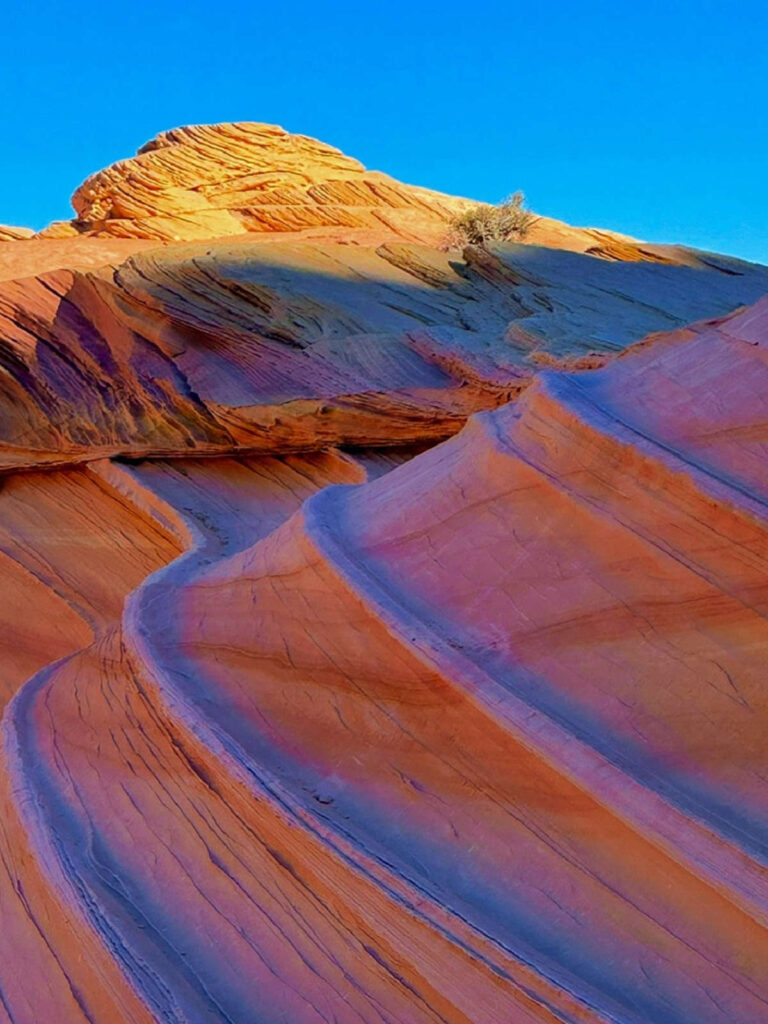
There is no marked trail to The Wave. If you choose not to hire a guide, you will need to navigate using your permit instructions and any information provided by the Bureau of Land Management (BLM), landmarks and GPS coordinates. Many hikers underestimate this challenge and people do get lost, sometimes requiring search and rescue assistance.
Our guide did tell us some scary stories of people way off trail who luckily stumbled upon a guided group who ushered them to safety. Do not let that be you. This is serious.
We did hire a tour guide considering this is a truly once in a lifetime opportunity and we wanted to focus on enjoying the experience and not avoiding getting lost! Only you know the best fit for you but we recommend that you carefully consider as safety is paramount!
What to bring
This list is not comprehensive as we had the benefit of a tour guide. Some things we did find helpful:
- Go-Pro and photography equipment with extra batteries (batteries drain faster in cold).
- Fully charged portable battery pack.
- Sunscreen (yes, even in colder months).
- WATER! A camelback is a great idea.
- Lunch and high energy snacks.
- Sunglasses.
- Wide brimmed hat.
- Extra layers (more on that below).
- First aid kit.
- Sunscreen and lip balm with SPF.
- Navigation tools (phone, GPS device, printed maps).
- Headlamp (in case you’re out later than expected).
- Emergency supplies (space blanket, fire starter, knife).
- Trekking poles (optional but helpful).
- WAG bag for human waste.
Weather conditions in cold months
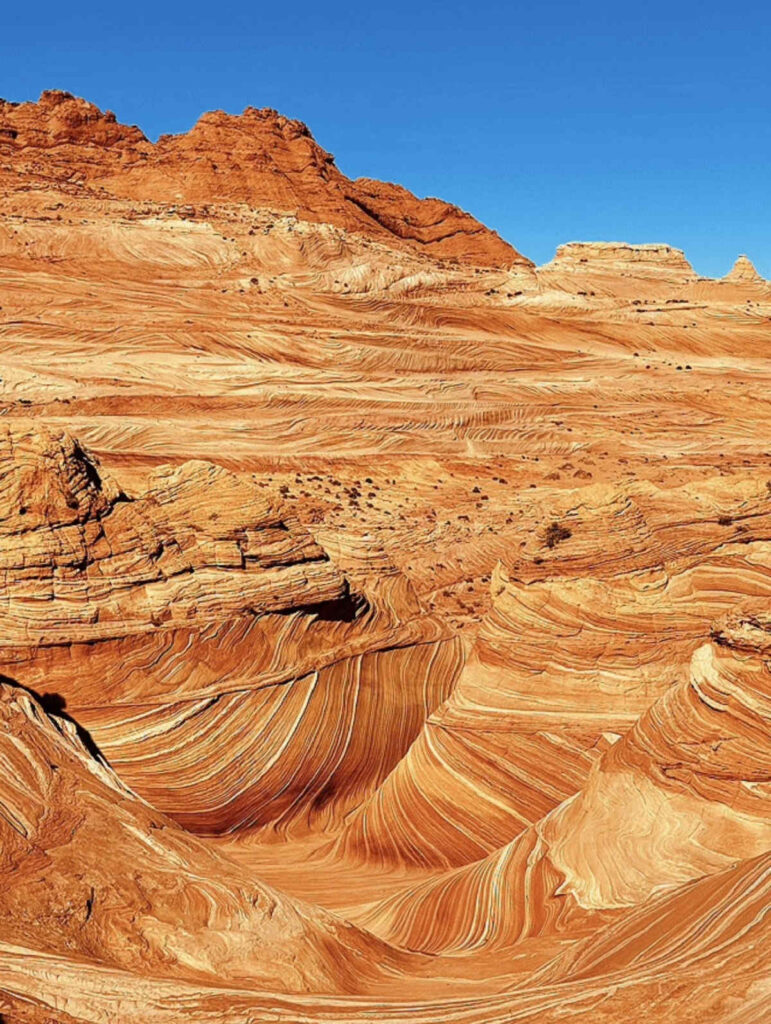
We went in January so our advice is specific to that month and similar cold months. The Arizona-Utah border region generally means cold mornings and milder afternoons with significant temperature swings. Proper clothing can make the difference between a miserable time versus an enjoyable adventure.
Our starting temperatures were in the low 20°F (at sunrise, warming to 50°F by afternoon. However, the weather can be unpredictable. Some January days see temperatures barely reaching 40°F, while others might hit 60°F. Sometimes there are snowstorms and/or significant wind. Rain is also possible and the slick rock becomes extremely slippery when wet.
It is super important that you research your weather conditions closer to your visit and consult with a professional regarding any specific questions.
How to dress
Clothing
Layer Layer Layer! The key to comfort is a versatile layering system that you can adjust throughout the day.
- Base layer: Start with a moisture-wicking synthetic or merino wool base layer for both your top and bottom. Avoid cotton, which retains moisture and will make you cold. A lightweight or midweight base layer works well for January. Merino wool is excellent because it regulates temperature, resists odor, and remains warm even when damp.
- Insulating layer: A fleece jacket or lightweight down/synthetic insulated jacket provides warmth during the cold morning hours. A puffy jacket that compresses into a small stuff sack is ideal because you’ll likely take it off and carry it in your pack by mid-morning.
- Outer shell: A windproof and water-resistant jacket is essential. Even if rain isn’t in the forecast, wind protection matters in the exposed desert landscape. A lightweight rain shell with pit zips for ventilation is perfect. If you expect wet conditions, bring full rain pants as well.
- The strategy: You’ll likely start the hike wearing all three layers, remove the insulating layer within the first hour as you warm up from exertion, and possibly remove the shell layer once the sun gets higher and the wind dies down. Pack removed layers efficiently in your backpack.
Footwear
Hiking boots with good ankle support and aggressive tread are essential. You can also consider quality sneakes depending on weather conditions and what you are used to hiking in. The terrain alternates between deep sand (which is exhausting and requires stable footing) and slickrock (which can be slippery, especially if there’s any moisture, sand, or ice).
Consider wearing 2-3 layers of warm socks (wool or synthetic blend). If you’re hiking early and your feet get cold. Also bring a pair of back-up socks. Depending on weather, if your feet get wet, fresh socks at The Wave during your lunch break can make a huge difference in comfort.
Note: I tend to be cold so while I wore multiple layers of socks and clothing, my hiking partners who preferred colder climates did not. Dress in accordance with your proclivities toward warm/cold weather.
Extremities
- Head: Bring both a warm beanie or fleece hat for the cold morning and a wide-brimmed sun hat for later in the day when the sun is intense. A baseball cap is okay but doesn’t protect your ears and neck as well as a full-brim hat.
- Hands: Lightweight gloves or mittens for the morning are essential. Your hands will be cold while hiking in the early hours. Liner gloves are great because you can keep them on while using your phone or camera, and they fit under heavier gloves if needed.
- Neck: A neck gaiter or buff provides versatile protection. Wear it around your neck for warmth in the morning, pull it up over your face if wind picks up, or use it as a headband later in the day. It’s one of the most versatile pieces of gear you can carry.
Should I Hire a Tour Guide?
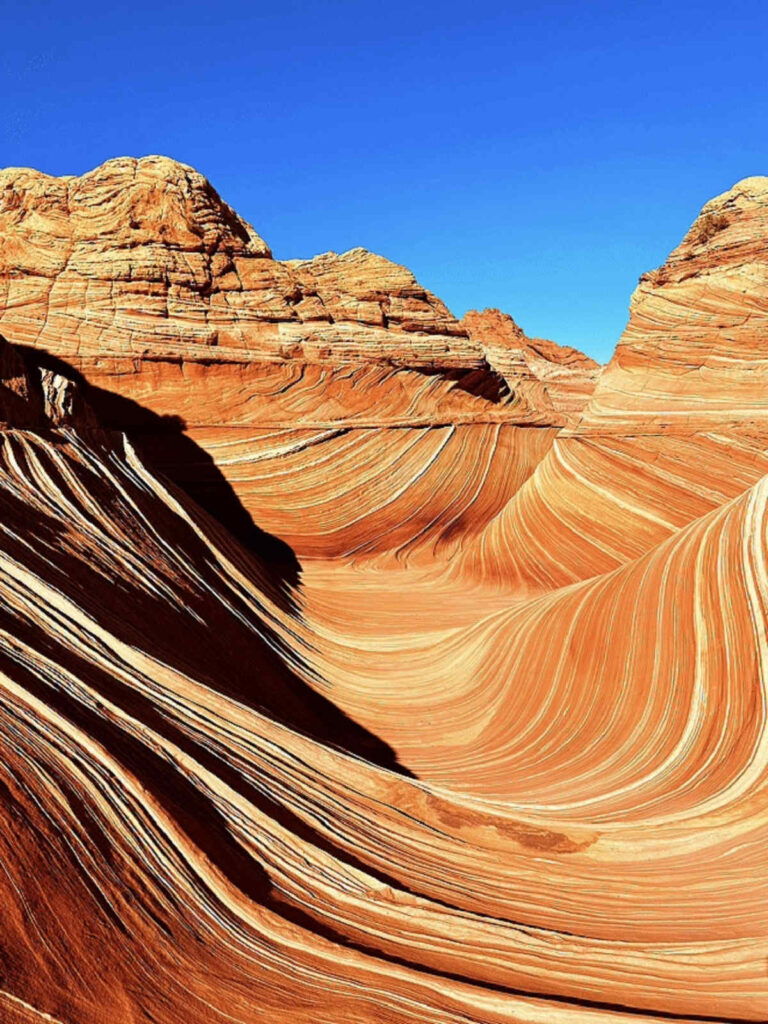
This is one of the most common questions people ask when planning their Wave hike, and the answer depends on several factors including your experience level, comfort with navigation, budget and what kind of experience you want.
If you’re comfortable with GPS navigation, reading terrain and have significant desert hiking experience for long durations and in many weather variations, you may consider if you can do this independently.
I will only speak to my experience. We had the privilege and benefit of hiring a private tour guide. Because The Wave is a lottery, this eliminates most “group tour” options. I am not personally aware of any. The great part about a private guide is that you can go at your own pace and fitness level and the guide will tailor the experience to you.
For us, a primary consideration was safety. If you hire a reputable tour guide, they are well versed on navigating the area, how to handle weather conditions, safety recommendations and more! Additionally, our guide was able to show us extra hidden spots that we would not have otherwise know about.
The downside is cost. However, I would argue that it was well worth it! Our guide was just under $400 total for the two of us. They picked us up and dropped us off at our hotel in Kanab, Utah. The best money we ever spent! The guide was fantastic. Knowledgeable. Kept us safe. Answered questions and was a fast friend by the end of the adventure!
Other Nearby Hikes
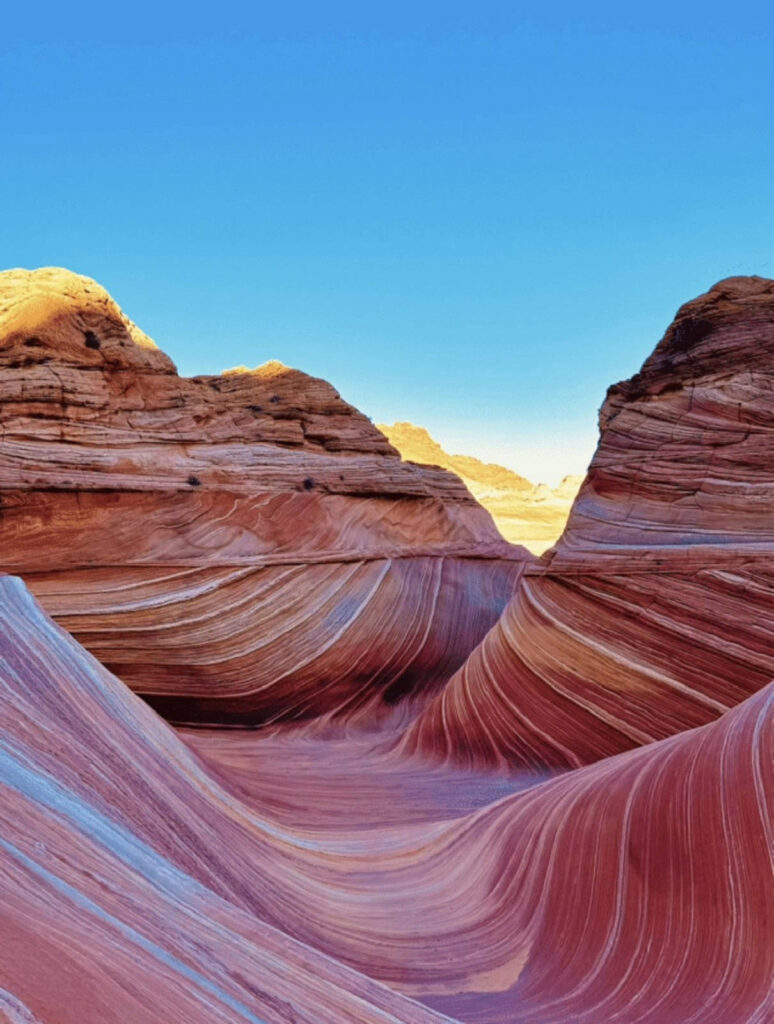
If you’re traveling all the way to this remote corner of the Southwest, you’d be missing out if you didn’t explore more of what the region offers. The area surrounding The Wave is packed with incredible hikes, slot canyons, and geological wonders, many of which don’t require the lottery permits that make The Wave so difficult to access.
Wire Pass to Buckskin Gulch: Consistently rated as one of the best slot canyon hikes in the American Southwest and shouldn’t be missed. The trailhead is the same parking area you’ll use for The Wave, making it perfect for a different day during your trip.
White Pocket: If you loved the swirling sandstone of The Wave, White Pocket offers similar brain-melting geology that many photographers actually prefer. The formations here are even more alien-looking, with white and red swirled patterns creating psychedelic landscapes. White Pocket requires a high-clearance 4WD vehicle to navigate the rough, sandy access road. The 45-minute drive from Highway 89 is challenging, with deep sand, washouts, and confusing junctions. Many people rent a Jeep or join a guided tour.
Coyote Buttes South: This area offers stunning formations like the Cottonwood Teepees, Paw Hole, and various colorful rock formations. Permits are required but are much easier to obtain than The Wave. The online lottery usually has good odds, and walk-up permits are often available without a lottery at all.
Peek-a-Boo and Spooky Gulches: Located near Escalante (about 2 hours from Kanab), these slot canyons offer a fun, adventurous experience with some technical challenges. No permits are needed, making them accessible for anyone.
Horseshoe Bend: Located just outside Page, Arizona (about an hour from The Wave trailhead), Horseshoe Bend is a spectacular viewpoint overlooking a dramatic meander in the Colorado River. The walk is short (1.5 miles round trip) but exposed with no shade, so bring water even in January.
Antelope Canyon: Also near Page, Antelope Canyon is one of the world’s most famous slot canyons, known for light beams that filter through narrow openings in the summer months. The canyon is on Navajo Nation land and requires a guided tour (you cannot visit independently).
Toadstools Hike: This easy 2-mile round trip hike near the Grand Staircase-Escalante National Monument features distinctive hoodoos (toadstool-shaped rock formations) and great views of the Cockscomb, a dramatic geologic uplift. The hike is family-friendly and takes about an hour. It’s perfect for an easy afternoon walk or for families with young children. No permit required.
Canyon X: Another slot canyon on Navajo land near Page, Canyon X is less crowded than Antelope Canyon but equally beautiful. The tour operators offer smaller group sizes and a more intimate experience. The canyon features beautiful curves, colors, and textures typical of Navajo sandstone slot canyons. Tours must be booked in advance through authorized operators.
Vermilion Cliffs and Condor Viewing: The dramatic Vermilion Cliffs rise over 3,000 feet along Highway 89A between Marble Canyon and Jacob Lake. This area is home to California Condors, one of the rarest birds in the world. You can often see condors from several viewing areas along the highway, especially near the Vermilion Cliffs themselves. Bring binoculars for the best viewing. This is a great activity that requires no hiking and can be done while driving between destinations.
Where to Stay and Eat
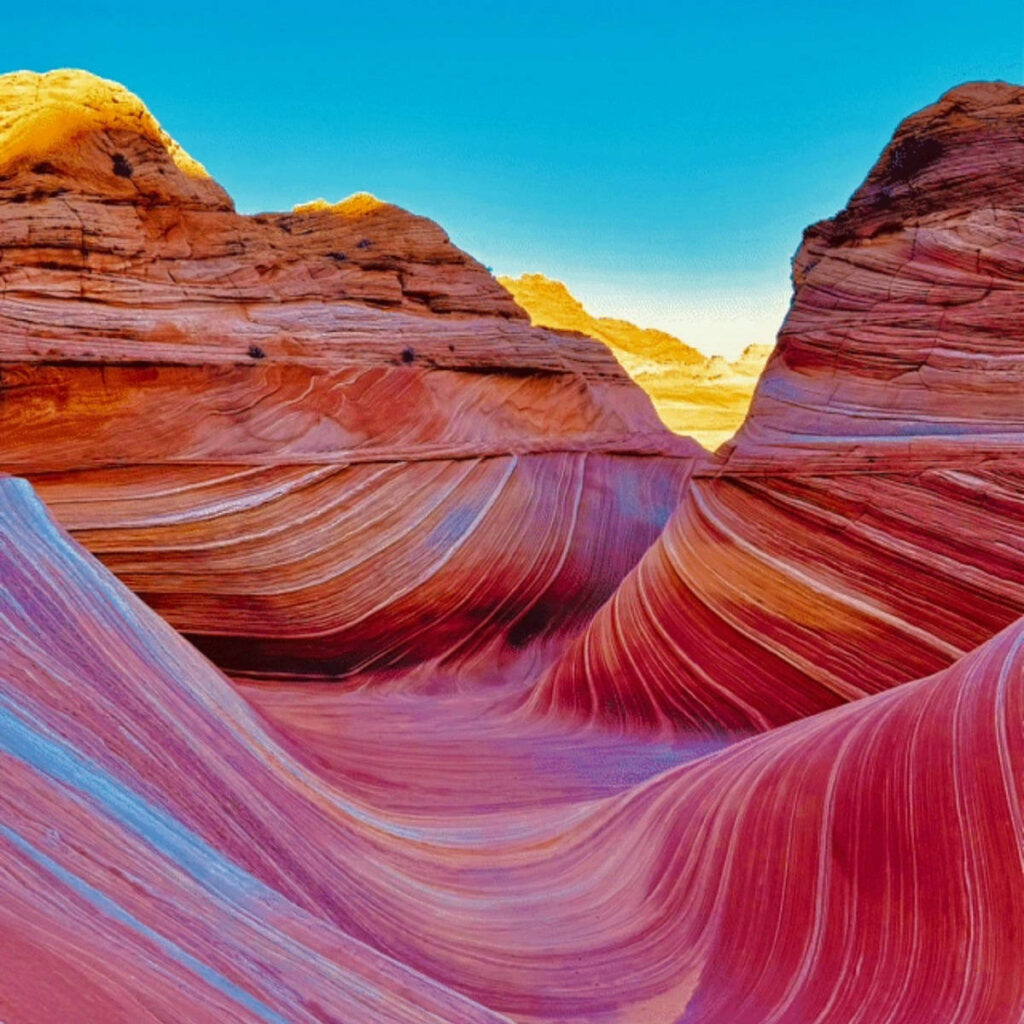
The two main base towns for accessing The Wave are Kanab, Utah (about 45 minutes from the trailhead) and Page, Arizona (about an hour away). Each has distinct advantages, and your choice might depend on your overall itinerary, budget, and personal preferences.
Kanab, Utah
Kanab is the more popular base for Wave hikers and has several key advantages. It’s slightly closer to the trailhead, it’s home to the Grand Staircase-Escalante National Monument Visitor Center where the walk-up lottery is held and it has a friendly small-town atmosphere.
We are from Arizona but we opted as this for our base. There are many newer budget friendly hotels in the area and some great family owned restaurants for before and after your hike.
Page, Arizona
Page is also an excellent base for visiting The Wave. It is a little farther from the trailhead but is closer if you are traveling from Arizona.
Page also offers numerous hotels and motels ranging from budget to mid-range options, as well as casual local dining. Page also positions you well for exploring nearby attractions like Antelope Canyon, Horseshoe Bend, and Lake Powell if you have extra time.
For us, The Wave was our focus and we found that more of the guides we considered were based in Kanab, Utah and the pick-up/drop-off from our hotel allowed us to relax and focus on the hiking logistics.



Leave a Reply